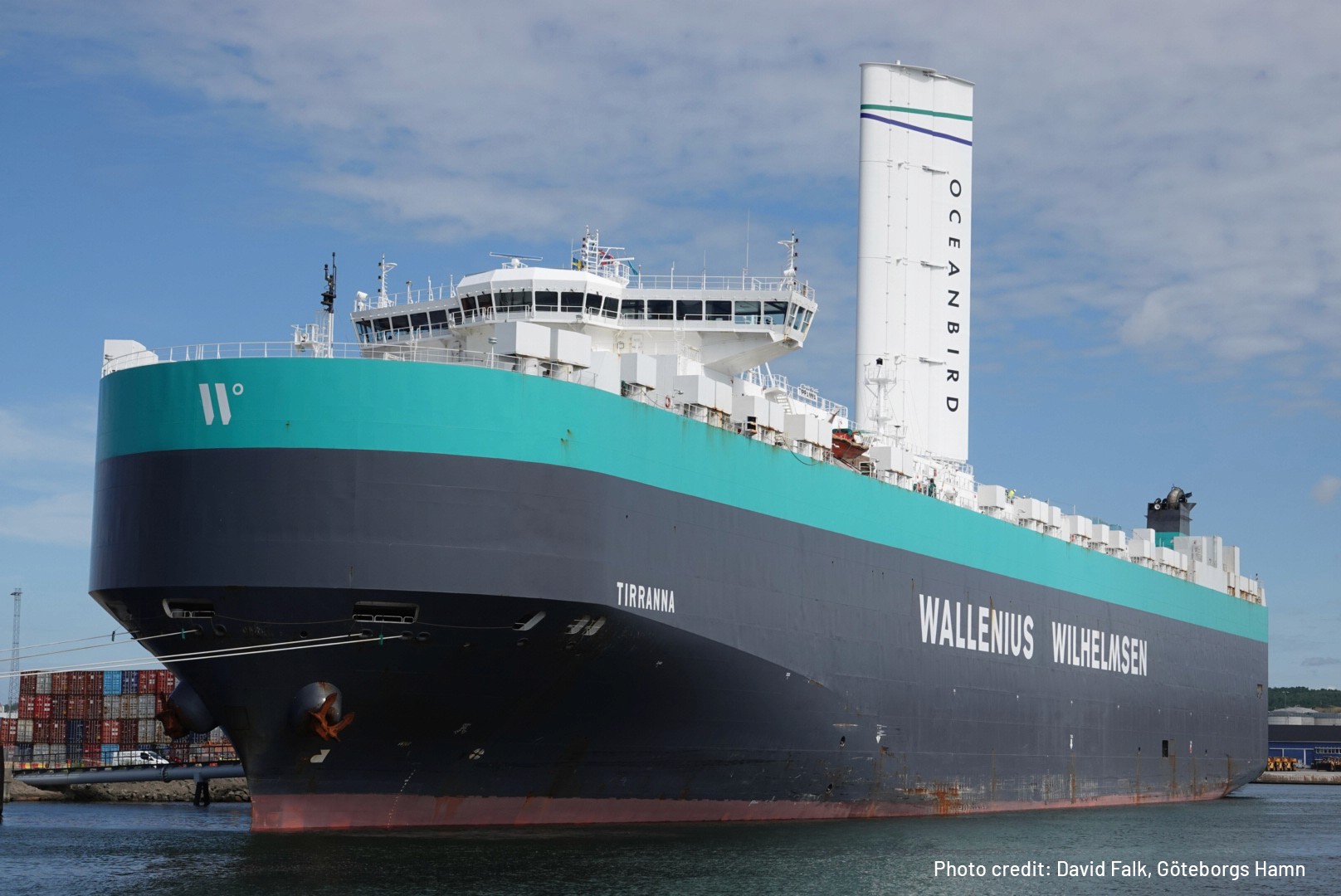
SSPA has a long experience of optimizing conventional cargo vessels, and therefore is one of our partners in the project wPCC that is behind the vessel Oceanbird. Sailing vessels differ from conventional vessels in many ways, which meant that SSPA had to develop completely new simulation tools.
During the spring of 2020, SSPA performed a test of a Oceanbird model in their towing tank. The model was built in the scale 1:25, and is just over 8 meters long.
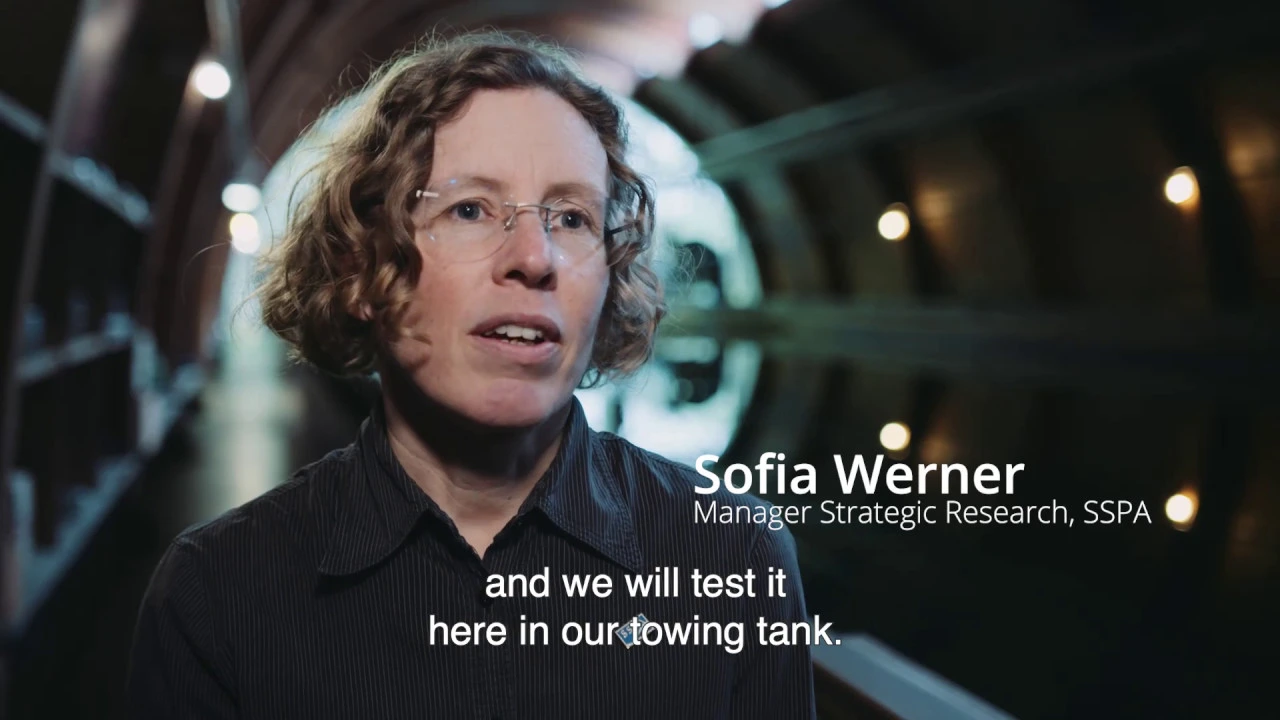
“We have done extensive computer simulations. Now we need to confirm these simulations with the experiments to get more accurate numbers of the performance and the forces acting on the ship. It’s important to understand that computer simulations can take us quite far but not all the way to accurate predictions” says Sofia Werner, Manager Strategic Research Hydrodynamics at SSPA.
Satisfied with the result
The ship designers at Wallenius Marine were interested in the hydro dynamic performance, focusing on the hull, rudder and propeller.
“The model is behaving well. There aren’t any big waves. You can see a very smooth wave pattern behind the model. Which is indicating that the resistance is low and that we have an efficient hull” says Carl-Johan Söder, Naval Architect at Wallenius Marine.
OCEANBIRD
More articles